STOPPING STONES
Memorials for Racial Healing


Healing Through Remembrance
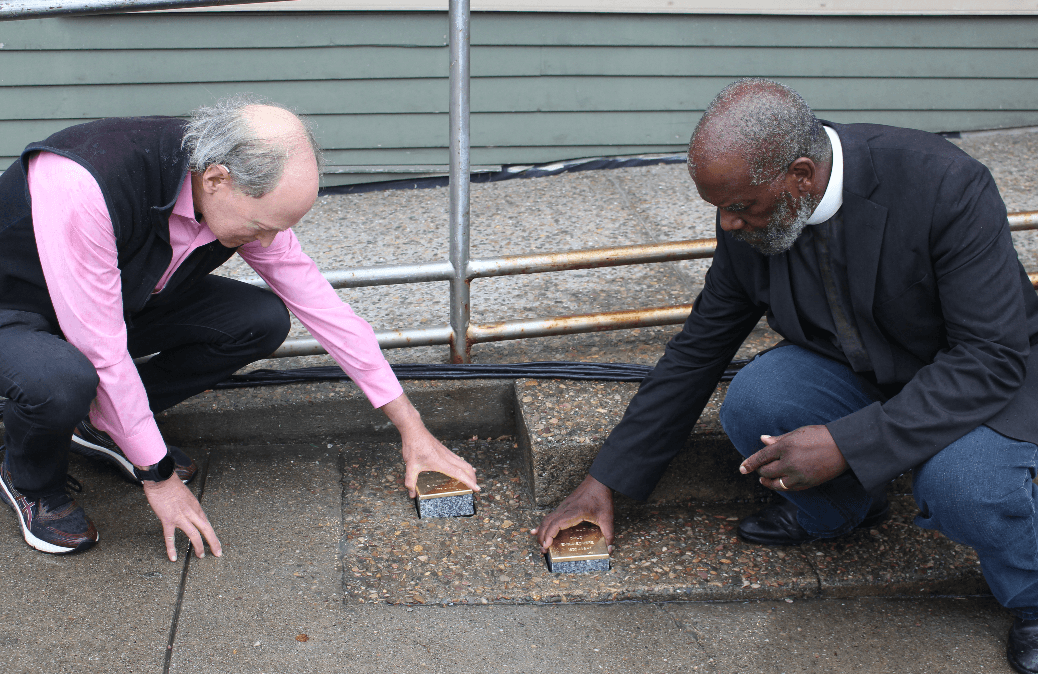
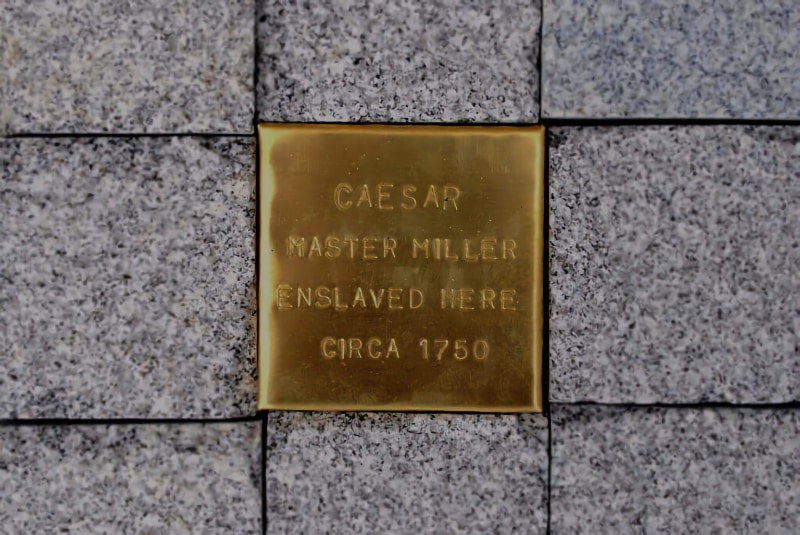
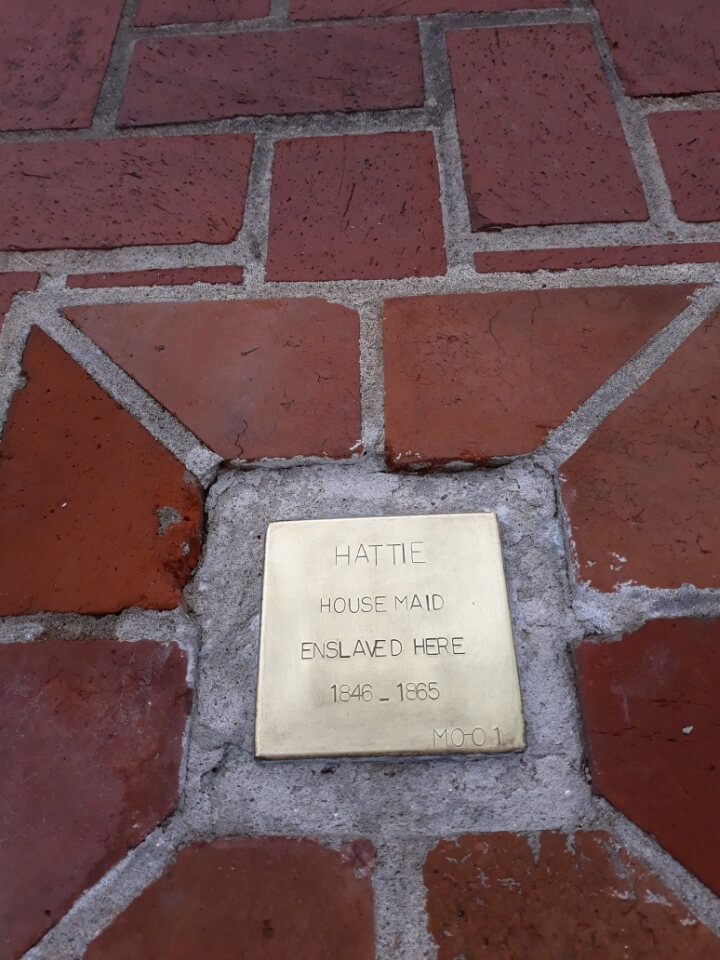
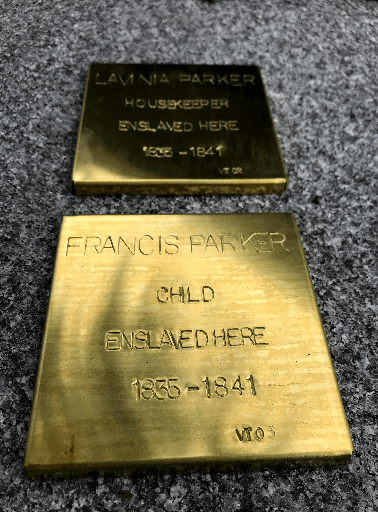
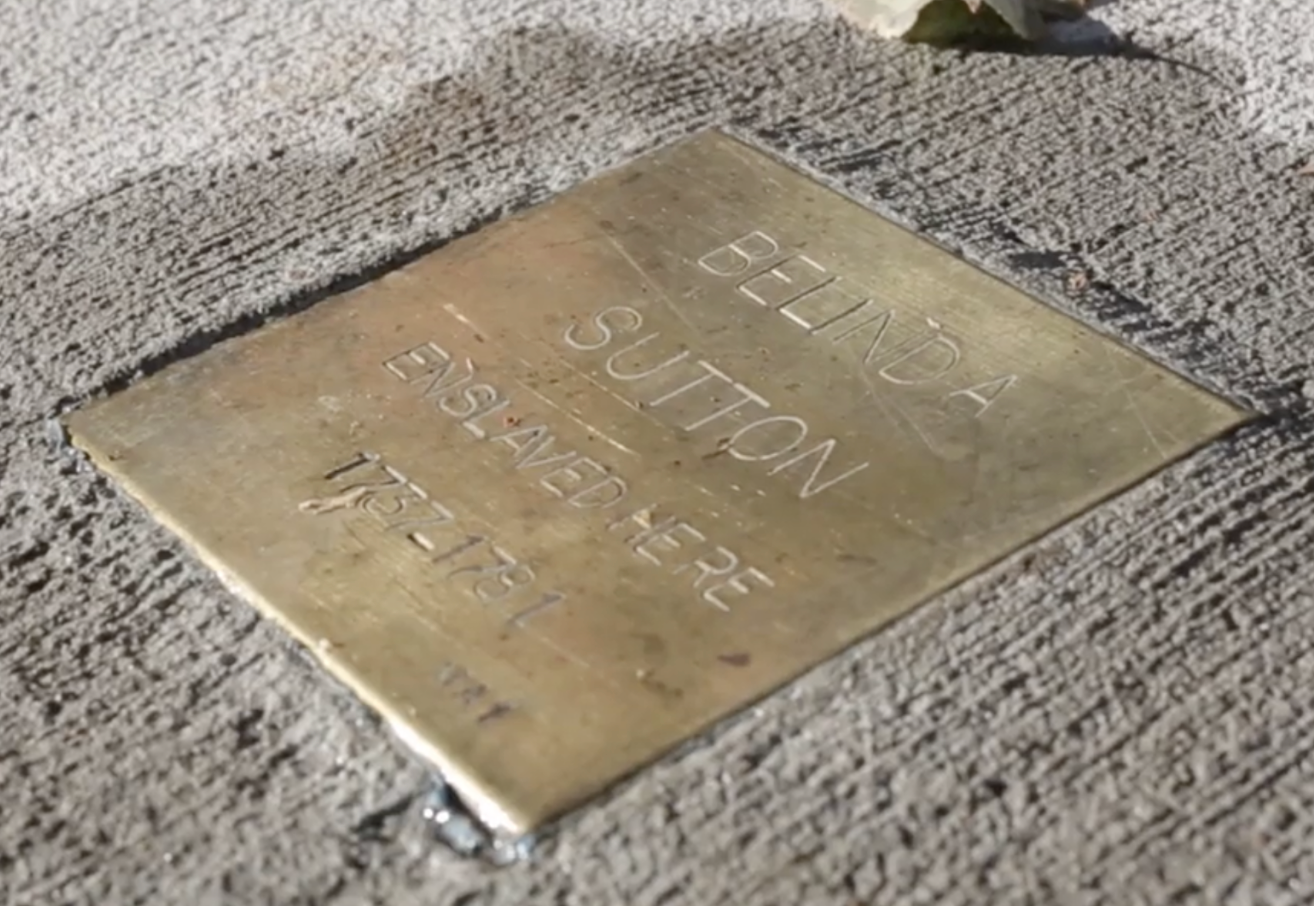
Stopping Stones is a national place-based public art program that brings together local partners to honor the memories of enslaved individuals in the locations where they lived, worked, or prayed. Through brass and stone micro-monuments and multivocal, community-based installation ceremonies, Stopping Stones bring these stories to life. The program informs and engages residents in support of local efforts towards racial healing, reparative justice, and greater equity.
Inspired by the Stolpersteine Memorials
The Stolpersteine memorials honor victims of the Nazi regime on streets throughout Europe. Stopping Stones brings this strategy to the United States, fostering public engagement with our history of slavery and current systems that perpetuate racial injustice and inequality. By carrying remembrance into civic spaces, Stopping Stones expands the American narrative, bringing to light the diverse, complex stories of those who were enslaved here.
Each memorial serves as a poignant reminder of their contributions, resilience, and humanity, as well as a call to action to address the ongoing legacy of discrimination and injustice.
A National Program Delivered Locally
The Stopping Stones program drives community engagement, advancing reparative change and investments in equity and justice. Installation ceremonies promote reflection, action, and collaboration, and allow local partners engaged in racial healing work to identify other partners and volunteers in their area.
Each monument serves as a permanent call to witness history and advance toward a more equitable future. Our goal is a visible national network of micro-memorials—a powerful tapestry of remembrance—honoring the millions of enslaved men, women, and children whose lives shaped the United States, yet were erased from its public memory.
Healing begins with remembering.

Support Us
With your support, we’re poised to expand our reach and impact.
Educational
Increase awareness of the significant contributions made by enslaved Americans and the lasting impact of slavery on contemporary society.
Healing
Facilitate racial healing through communal remembrance and acknowledgment of past and continued injustices.
Action Oriented
Inspire and mobilize community involvement and action towards racial equity and reparative investments.