Jack
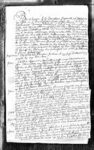
Jack was an enslaved Black man who lived at Cogswell’s Grant in the early eighteenth century. He is first documented in 1717, when Jonathan Cogswell bequeathed him to his wife, Elizabeth Cogswell, in his will. Jack was described simply as a “negro man slave, commonly called Jack,” reflecting the limited and dehumanizing way enslaved people were recorded in colonial documents
When Elizabeth Cogswell wrote her own will in 1723, she noted that Jack had been “a good servant” and provided a path through which he might obtain his freedom if someone would post the legally required £50 bond. This arrangement did not automatically free Jack, but it offered an opportunity unavailable to many enslaved people in Massachusetts at the time. The historical record does not reveal whether he ever achieved freedom.
Like other enslaved people at Cogswell’s Grant, Jack likely performed both agricultural and household labor, helping sustain the Cogswell family’s wealth and operation of the farm. His work may have included caring for livestock, cultivating crops, transporting goods, and maintaining the household.