Cato Cuff
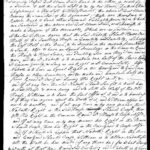
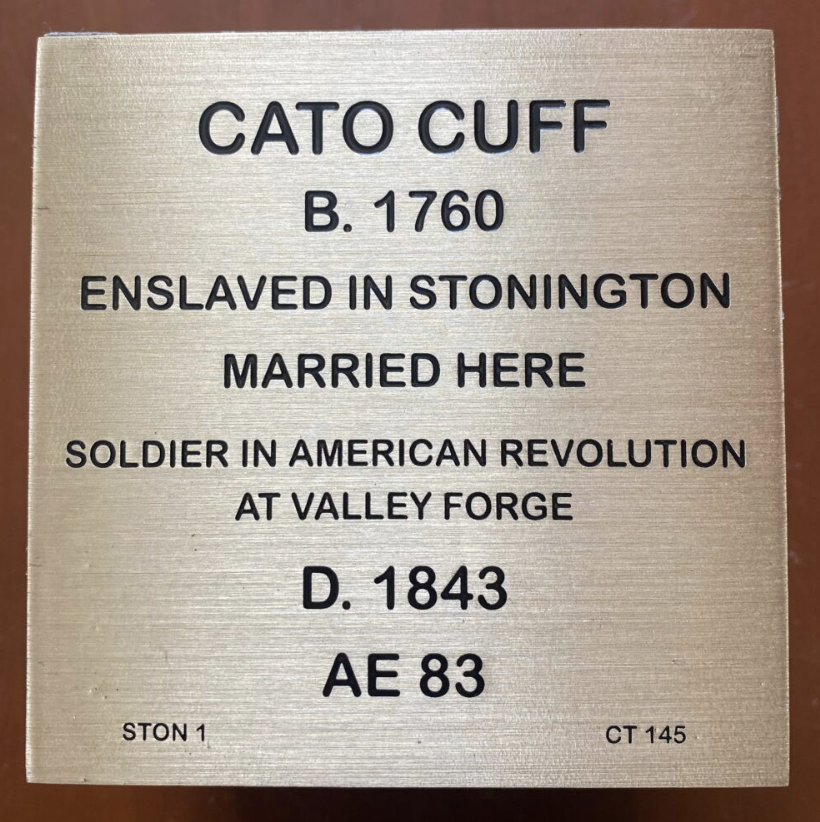
According to a 1934 letter written to Neel Cuff from Richmond, Kentucky, Cato was born in Stonington, Connecticut. It is not clear when the Cheseborough family purchased Cato, but we can see that in April 1744 Elihu Cheseborough purchased Prince & Primus, eventually also obtaining ownership of Phoebe and Surviah, their wives. In his 1769 will, Cheseborough instructed that “all of his negroes” be divided equally between his three sons. Cato went to Naboth. In a 1772 Quit Claim of Elihu Cheseborough’s property, Cato’s name appears on an itemized list tucked between 12 heads of cattle, 30 barrels of cider, and 6 other enslaved boys with the names of Jeremiah, Prince, Africa, Jack, Cuffee, and Nero.
On April 29, 1777, while still a teenager, Cato enlisted in the American Revolutionary War. Due to the Connecticut Act of 1777, he could serve in the place of a white man and when discharged could be freed. During his three-year term, Cato was based primarily in New York, Connecticut, New Jersey, and Pennsylvania. While at Valley Forge, he was afflicted with severe frostbite, an injury which would impact him for the rest of his life. According to later pension testimony, his war injury (frostbite) made it difficult for him to work and earn a wage. On August 1820, Cato married Flora Palmer at the First Congregational Church in Stonington.
Primary Sources