Belinda Sutton
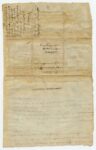
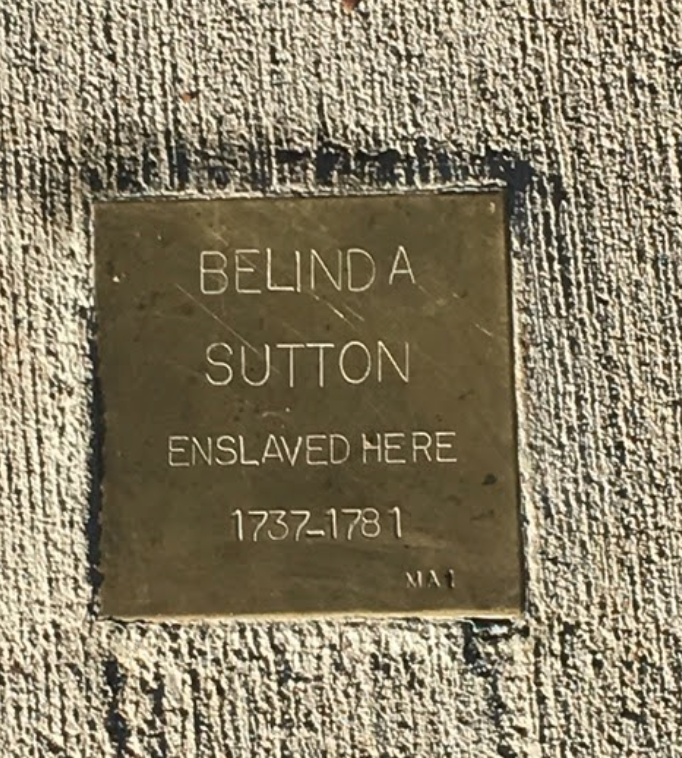
Belinda Sutton (also known as Belinda Royal/Royall), born around 1712 near the Volta River in present-day Ghana, was captured by European slave raiders at about age twelve and transported across the Atlantic. She was purchased by Isaac Royall Jr., Massachusetts’s largest slaveholder, and enslaved first on his Antigua plantation before being brought to his estate in Medford. When Royall fled to England at the start of the American Revolution, Belinda lived in unofficial freedom in Boston. In 1783, as Massachusetts was abolishing slavery, she petitioned the state legislature for reparations for her unpaid labor — possibly with the help of activist Prince Hall — and was granted fifteen pounds and twelve shillings annually. Though she repeatedly had to re-petition to collect her payments, her case made her one of the earliest known authors of a slave narrative by an African woman in America and a pioneering claimant for reparations, a legacy that endured on both sides of the Atlantic long after her death around 1799.
Primary Sources